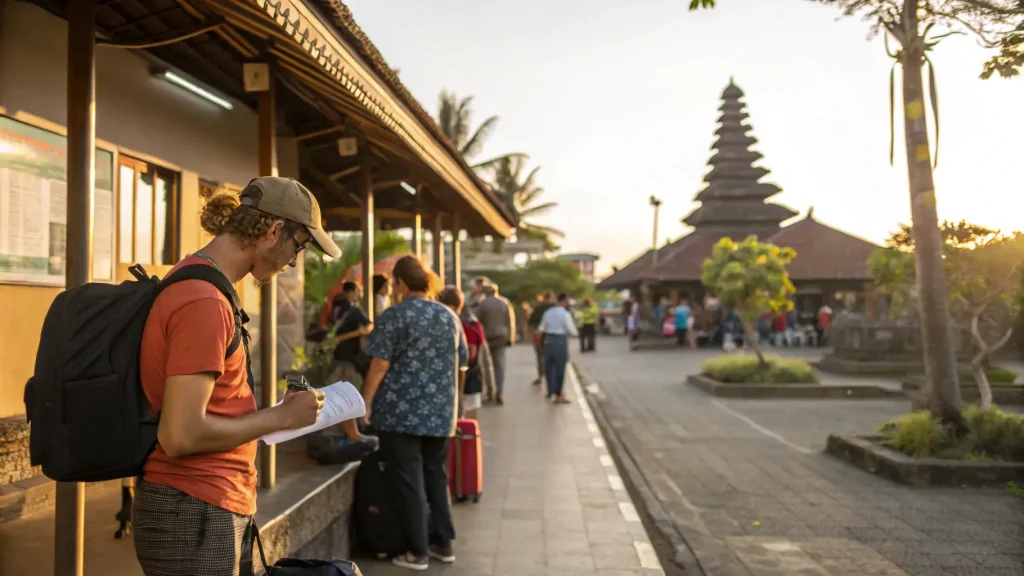
Navigating Bali’s Real Estate Market in 2027
The Bali real estate market in 2027 offers diverse opportunities for UK expats, with emerging trends focusing on sustainable developments and digital nomad-friendly properties.
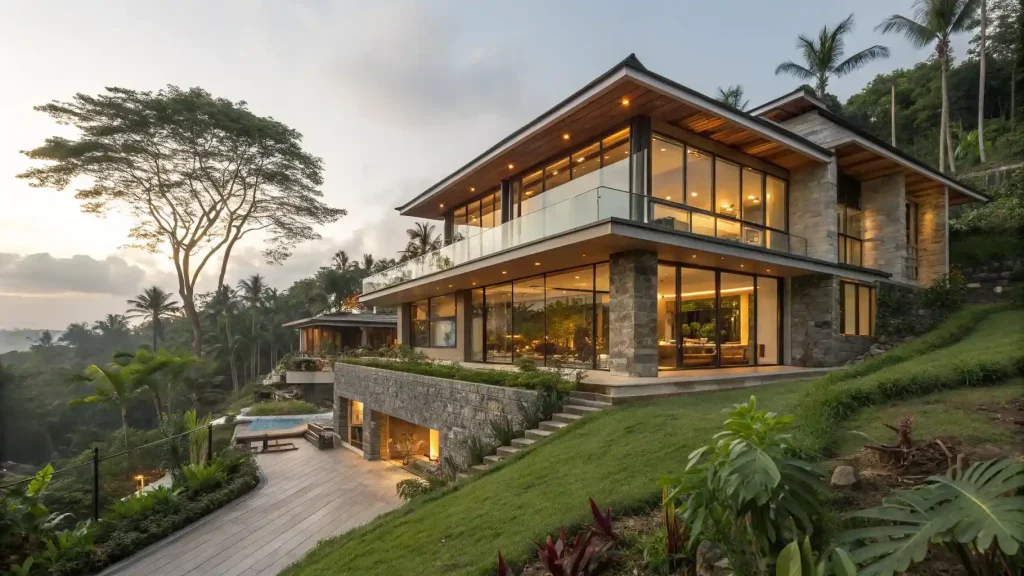

The Bali real estate market in 2027 offers diverse opportunities for UK expats, with emerging trends focusing on sustainable developments and digital nomad-friendly properties.

Bali Real Estate Market 2027: An Overview
The Bali real estate market in 2027 presents a dynamic landscape for those moving from the UK. With a mix of traditional Balinese charm and modern conveniences, the market is evolving to meet the needs of international buyers. Driven by sustainability and technology, the market offers numerous opportunities for investment and lifestyle adjustments. The island’s appeal, with its stunning landscapes and vibrant culture, continues to attract expats seeking a unique blend of leisure and work-life balance. In 2027, the island’s real estate market is expected to see a steady increase in demand, particularly in areas like Canggu and Ubud, where the fusion of local culture and modern living is most pronounced.

Buying Property in Bali 2027: What to Expect
As the demand for property in Bali continues to grow, 2027 is seeing significant shifts in buyer preferences. Many UK expats are seeking properties that blend traditional Balinese architecture with modern amenities. Eco-friendly homes and properties designed for remote work are particularly popular. The average price for a villa in Bali can range from £100,000 to £500,000, depending on location and amenities. In areas like Seminyak and Kuta, prices tend to be higher due to their popularity with tourists and expats alike. Understanding local regulations and seeking professional advice can make the process smoother. It’s advisable to engage with a reputable real estate agent who can guide you through the nuances of the market, including the various types of land titles available, such as ‘Hak Milik’ (freehold) and ‘Hak Sewa’ (leasehold).

Real Estate Trends Bali: Key Insights for 2027
In 2027, several trends are shaping the Bali real estate market:
- Sustainability: Eco-conscious developments are on the rise, appealing to environmentally aware buyers. Many new projects incorporate solar panels, rainwater harvesting systems, and sustainable building materials. Areas like Uluwatu and Amed are seeing a surge in eco-friendly developments, attracting buyers interested in reducing their carbon footprint.
- Digital Nomad Hubs: Properties equipped with high-speed internet and co-working spaces cater to the growing remote work trend. Bali’s government has recognized the potential of digital nomads, and areas like Canggu have become hotspots for remote workers. Co-living spaces that offer shared facilities and community activities are increasingly popular.
- Community Living: Developments designed to foster community interaction are gaining popularity. These often include shared amenities such as swimming pools, gyms, and communal gardens. The concept of “kampung” living, which emphasizes community and shared space, is being adapted for modern developments.
- Luxury Villas: High-end properties with private amenities remain a staple of the market. These properties often feature infinity pools, private beaches, and expansive gardens. Areas like Jimbaran and Nusa Dua are renowned for their luxury villa offerings, which cater to both investors and those seeking a second home in Bali.

Legal Considerations for Buying Property in Bali
When buying property in Bali in 2027, it’s essential to understand the legal framework. Foreigners typically acquire property through long-term leases or by forming an Indonesian company. The most common lease term for foreigners is 25 years, with options to extend. Forming a local company, known as a PMA (Penanaman Modal Asing), allows for more control over the property but involves more complex legal requirements. Consulting with a local legal expert ensures compliance with regulations and protects your investment. For more details on legal requirements, visit our comprehensive FAQ page.

2027 Note: Impact of Global Events
Current global events are influencing the Bali real estate market in 2027. Economic shifts, technological advancements, and environmental concerns are impacting buyer behavior and property values. The global push towards remote working has increased demand for properties that support this lifestyle, while environmental factors have heightened interest in sustainable developments. Additionally, currency fluctuations can affect property prices, making it important for UK buyers to monitor exchange rates closely. Staying informed about these factors can help UK expats make informed decisions when relocating to Bali.

FAQ
What are the trends in Bali’s real estate market for 2027?
Key trends in Bali’s real estate market for 2027 include a focus on sustainable developments, digital nomad-friendly properties, and community living spaces. These trends reflect a broader shift towards environmentally conscious living and the increasing importance of remote work capabilities.
How can I buy property in Bali as a UK expat?
UK expats can buy property in Bali through long-term leases or by forming an Indonesian company. Legal guidance is recommended to navigate local regulations. Engaging with professionals familiar with Indonesian property law can help ensure a smooth transaction and protect against potential pitfalls.
What types of properties are popular in Bali in 2027?
In 2027, popular properties include eco-friendly homes, digital nomad hubs, community living developments, and luxury villas. These properties cater to a diverse range of buyers, from those seeking sustainable living solutions to those desiring high-end luxury and privacy.