
Sustainable Living in Bali 2027: A Comprehensive Guide
Sustainable living in Bali 2027 focuses on eco-friendly practices, renewable energy, and community-driven initiatives to preserve the island's natural beauty and resources.
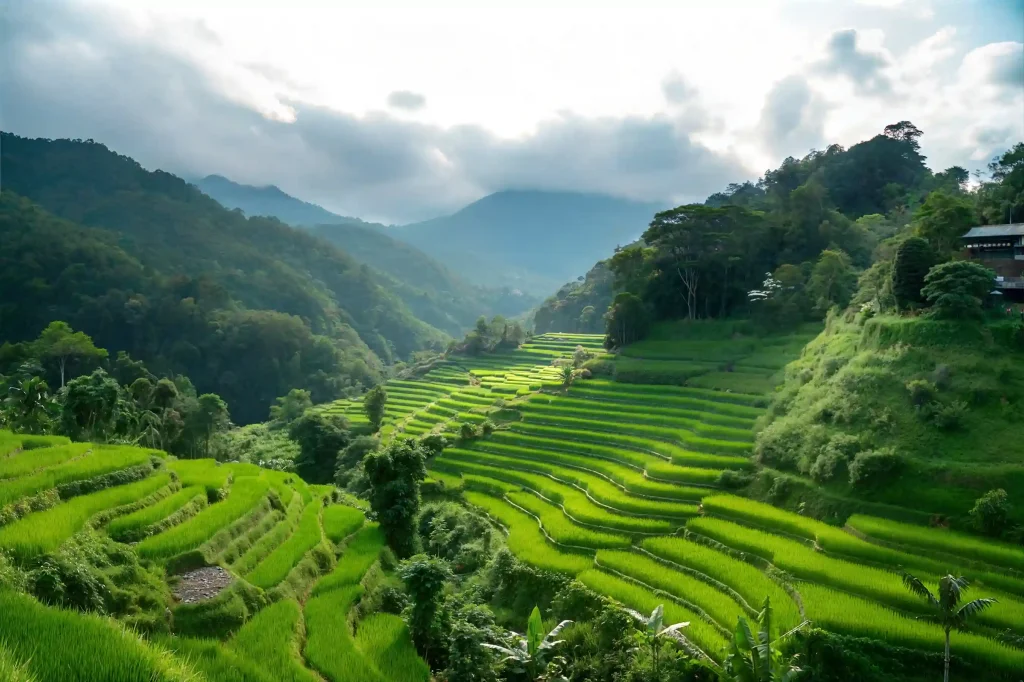

Sustainable living in Bali 2027 focuses on eco-friendly practices, renewable energy, and community-driven initiatives to preserve the island’s natural beauty and resources.

Sustainable Living in Bali 2027
As we examine sustainable living in Bali 2027, the island has embraced eco-friendly practices and sustainable lifestyle choices that align with global environmental goals. The increasing awareness among residents and expats about the importance of preserving Bali’s natural resources has led to a significant shift towards sustainability. The island, home to over 4.3 million people, sees a substantial influx of tourists each year, which makes sustainable practices even more vital. Awareness campaigns and educational programs have played a crucial role in this transformation, reaching various communities across Bali.

Eco-Friendly Bali: A Growing Trend
In recent years, Bali has witnessed a surge in eco-friendly initiatives. Businesses and individuals alike are adopting practices that minimize environmental impact. From solar-powered homes to organic farming, the island’s commitment to sustainability is evident. For instance, Ubud has become a pioneer in waste management, with many cafes and restaurants implementing zero-waste policies. This trend is not only beneficial for the environment but also enhances the quality of life for those residing in Bali. The shift towards eco-friendly practices has also spurred the growth of green businesses, creating new job opportunities and fostering an economy that respects the island’s ecological limits.

The Rise of Sustainable Lifestyle in Bali
The sustainable lifestyle in Bali has become a key aspect of daily life, with many opting for a minimalist approach that reduces waste and promotes recycling. Community-driven projects have emerged, focusing on plastic waste reduction and renewable energy use. Initiatives such as the “Bye Bye Plastic Bags” campaign have gained traction, particularly among the youth, and have led to significant reductions in single-use plastics across the island. These initiatives have transformed Bali into a hub for sustainable living, attracting environmentally conscious individuals from around the globe. Moreover, local markets have increasingly offered organic produce, encouraging a farm-to-table approach that reduces the carbon footprint associated with imported goods.

Renewable Energy Solutions
Bali is making strides in renewable energy, with solar and wind power becoming more prevalent. These energy sources are increasingly being integrated into homes and businesses, reducing reliance on fossil fuels. The local government supports these efforts, offering incentives for those who invest in renewable energy solutions. For example, tax reductions are available for properties that install solar panels, making it more affordable for homeowners to switch to renewable energy. Community wind farms, such as those in the north of the island, contribute to the local grid, providing clean energy to nearby villages. This shift not only reduces carbon emissions but also positions Bali as a leader in sustainable energy practices.
- Solar power installations on residential and commercial properties have increased by 30% over the past five years.
- Community wind farms generating clean energy contribute significantly to local electricity needs.
- Government incentives for renewable energy investments include tax breaks and grants.

Community Initiatives and Education
Education plays a vital role in Bali’s sustainable living journey. Schools and community centers provide workshops on eco-friendly practices, encouraging residents to adopt a greener lifestyle. For instance, workshops on composting and sustainable gardening are regularly held in areas like Canggu and Sanur. These educational programs highlight the importance of conservation and sustainable resource management, empowering communities to make informed choices. Additionally, the integration of sustainability topics in school curriculums ensures that the next generation is well-equipped to continue the island’s eco-friendly efforts.
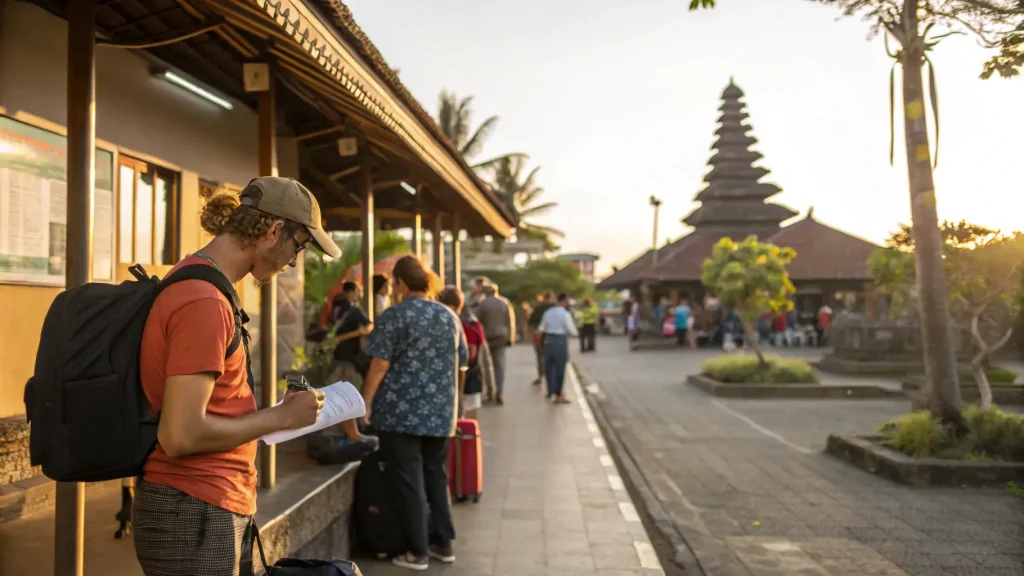
2027 Note: Current Developments
In 2027, Bali continues to evolve as a sustainable haven. New projects aimed at reducing plastic waste and enhancing biodiversity are underway. The “Bali Reuse Revolution” initiative, for example, focuses on promoting reusable products and packaging among local businesses. These initiatives, supported by both local communities and international organizations, are paving the way for a more sustainable future. For those moving to Bali from the UK, understanding these developments is crucial for integrating into the island’s eco-conscious culture. Participation in local sustainability-focused events and workshops can provide valuable insights and foster a sense of community among newcomers.

FAQ
How is sustainable living evolving in Bali by 2027?
Sustainable living in Bali by 2027 has progressed with increased use of renewable energy, community-driven projects focusing on waste reduction, and widespread adoption of eco-friendly practices. The collaboration between local authorities, businesses, and residents continues to drive these changes, ensuring that sustainability remains a priority.
What are some eco-friendly practices in Bali?
Bali has embraced various eco-friendly practices, including solar energy use, organic farming, and community waste management projects, fostering a sustainable environment. The widespread adoption of these practices highlights the commitment of the island’s residents to protecting their natural surroundings.
Are there opportunities to learn about sustainable living in Bali?
Yes, Bali offers numerous workshops and educational programs at schools and community centers, providing residents with knowledge on sustainable living practices. These programs are accessible to both locals and expats, offering a comprehensive understanding of how to live sustainably on the island.