














Moving to Bali from UK

Moving to Bali from UK – Moving To Bali From Uk

Quick Answer: Moving to Bali from UK — Independent guide to moving to Bali from the UK — visas (KITAS, e-VOA), shipping and customs, cost of living, schools, healthcare, areas, and a step-by-step relocation plan for British expats.. Concierge-curated, white-glove service, transparent pricing, end-to-end booking support.


Welcome to our curated guide on moving to bali from uk — the definitive resource for premium options across Indonesia.

Moving to Bali from the UK involves securing appropriate visas like the KITAS or e-VOA, navigating international shipping and customs for personal effects, and establishing local services for banking and healthcare. The process requires careful planning, often spanning several months, to ensure a smooth transition into Bali’s vibrant expat communities.

  • Visa application typically takes 4-8 weeks, depending on type.
  • Sea freight for personal belongings from the UK to Bali usually takes 8-12 weeks.
  • Cost of living in Bali can be 60-70% lower than in London for similar lifestyles.

The scent of frangipani drifts on a warm breeze; the sun touches your skin, a daily promise. This is the new reality for British expats moving to Bali from the UK, a transition from grey skies to tropical rhythms. Our expertise offers a streamlined pathway, handling the intricate logistics and legalities so your focus remains on the horizon.
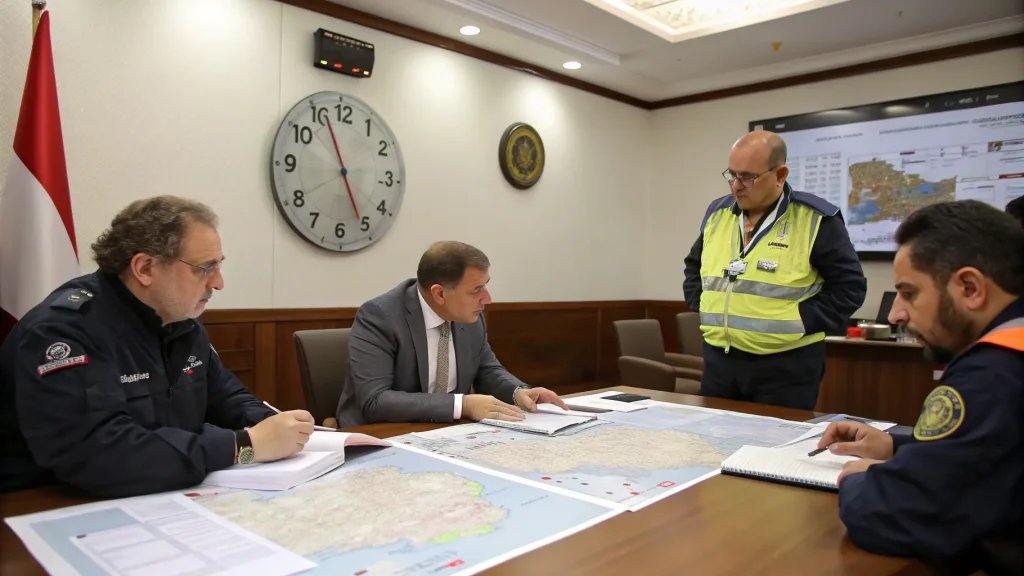
Visa Pathways and Immigration for UK Nationals

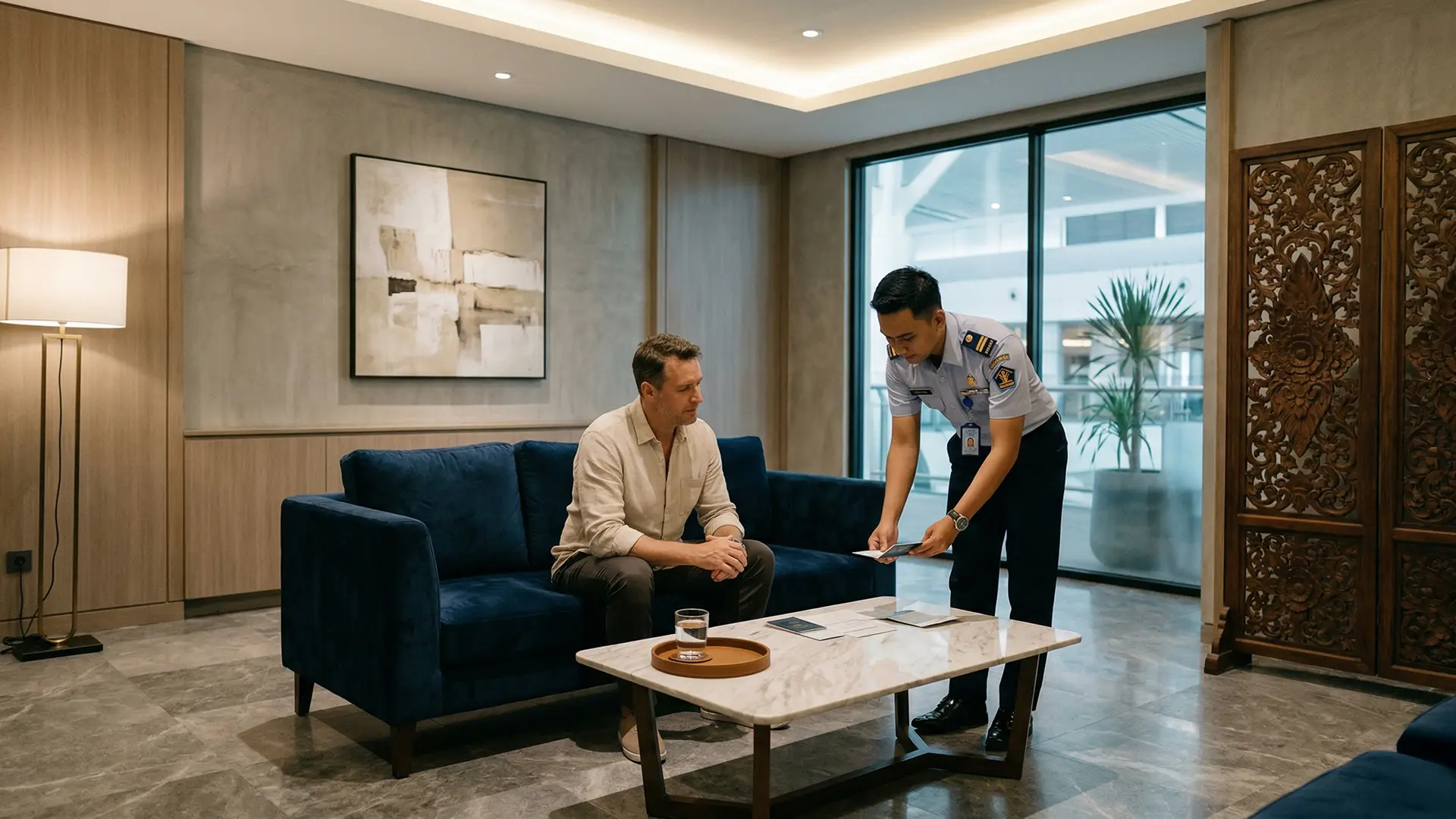
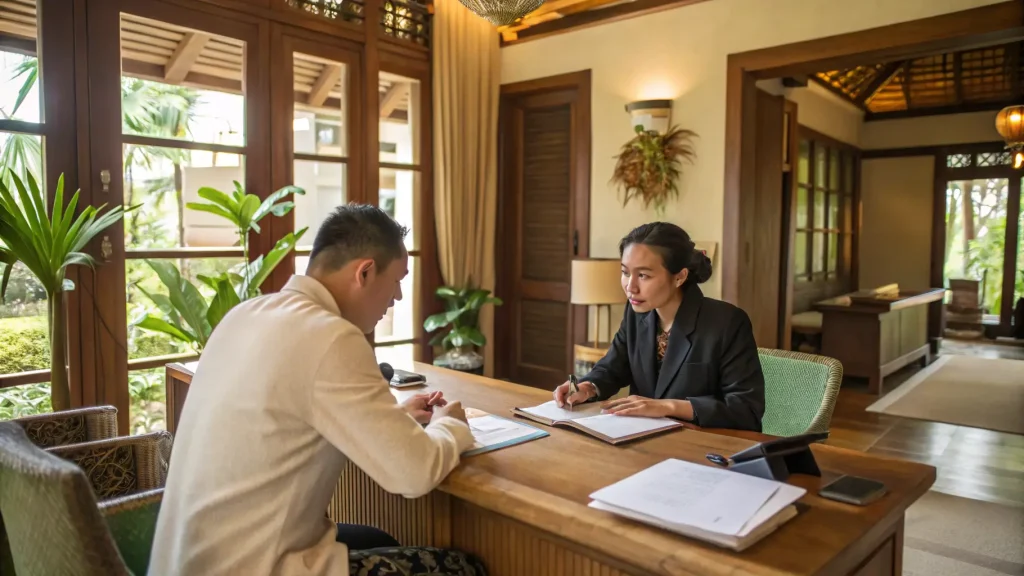
Securing the correct visa stands as the foundational step for any UK national moving to Bali from the UK. Indonesia offers several options, each tailored to different intentions, from remote work to retirement. The most common long-term visa for British expats is the KITAS (Kartu Izin Tinggal Terbatas), a Temporary Stay Permit. This visa typically allows for stays of 1-2 years, renewable, and is essential for those planning extended residency, including entrepreneurs and remote workers.

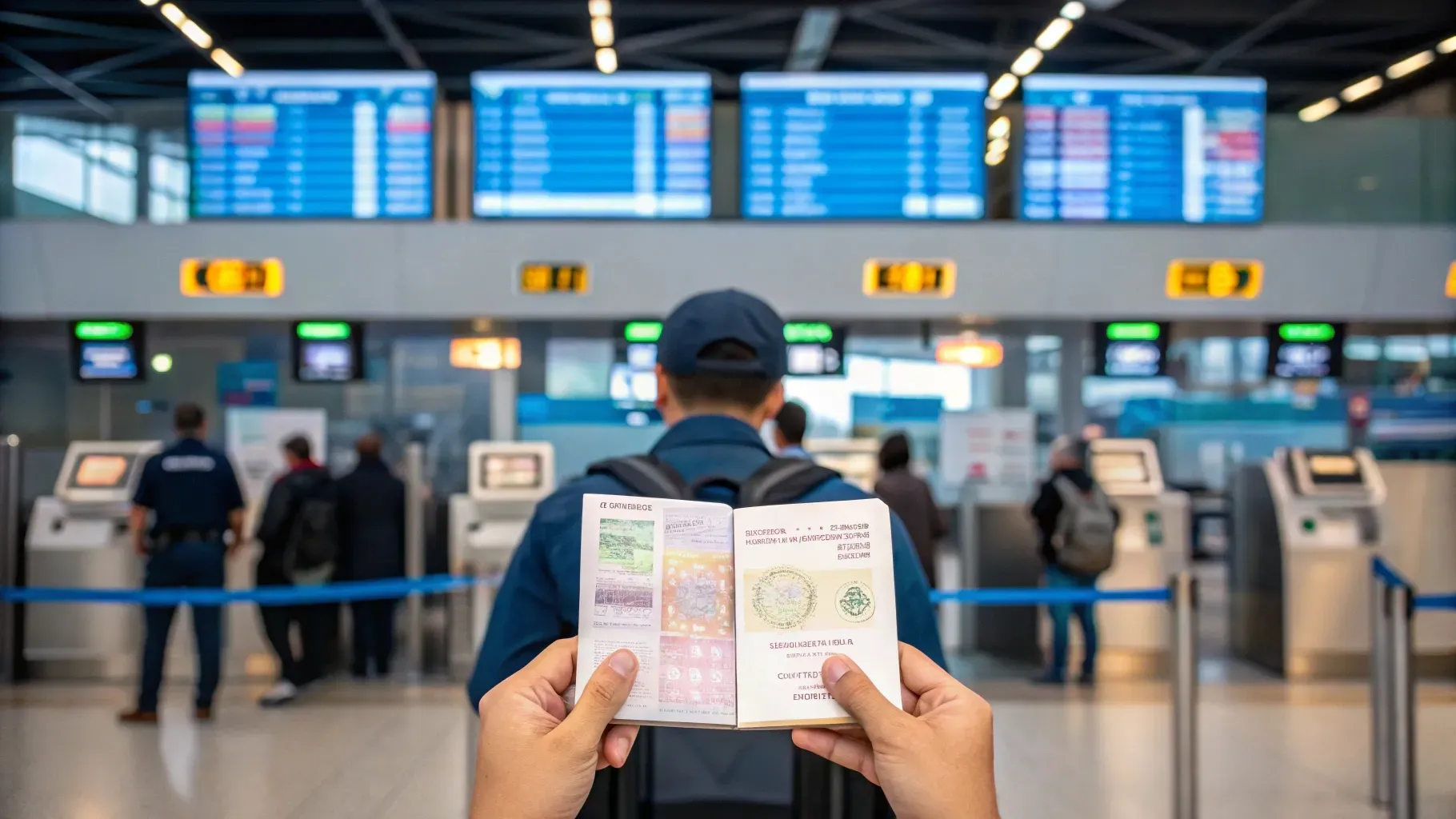
For shorter stays, the e-VOA (electronic Visa On Arrival) provides a convenient 30-day entry, extendable once for another 30 days, suitable for initial reconnaissance trips. However, for a genuine relocation, the KITAS is paramount. Applying for a KITAS often involves sponsorship from an Indonesian entity or individual, or through a business registration process. The application typically takes 4-8 weeks, though processing times can fluctuate with demand and policy updates from the Directorate General of Immigration of Indonesia. A single-entry business visa (B211A) often serves as an entry point, allowing individuals to explore opportunities before transitioning to a KITAS.

The UK Foreign, Commonwealth & Development Office (FCDO) advises all British citizens travelling to Indonesia to ensure their passports have at least 6 months validity from the date of entry. Renewing a UK passport from Bali requires sending documents to the UK via courier, a process that can take 3-4 weeks. Understanding the nuances of Indonesian immigration law is critical; for instance, overstaying a visa incurs a penalty of IDR 1,000,000 per day (approximately £50) and can lead to deportation. We guide you through each form, each requirement, ensuring compliance. For detailed insights into visa types, refer to the official KITAS Wikipedia page.

Shipping Personal Effects and Navigating Indonesian Customs

The practicalities of moving your life from London or Manchester to Bali involve meticulous planning for shipping and customs clearance. Most British expats opt for sea freight for larger items, which typically takes 8-12 weeks from the UK to major Indonesian ports like Tanjung Priok (Jakarta) or Benoa (Bali). Air freight, while faster (3-7 days), is significantly more expensive, primarily reserved for essential items or urgent documents. A standard 20-foot shipping container holds approximately 33 cubic metres, sufficient for a small household’s belongings, and costs vary but often start from £3,000-£5,000 for door-to-door service.

Indonesian customs regulations are stringent, particularly concerning used household goods and personal effects. A comprehensive packing list, detailing every item, is mandatory. Certain items are restricted or prohibited, including firearms, narcotics, and certain publications. Alcohol and tobacco imports are heavily taxed, with specific limits: 1 litre of alcohol, 200 cigarettes, 25 cigars, or 100 grams of shredded tobacco per adult. New items, especially electronics, often attract import duties based on their declared value. It is crucial to have original receipts for new goods to avoid disputes over valuation. Our team assists with customs declarations, ensuring all documentation aligns with Indonesian Directorate General of Customs and Excise requirements, mitigating potential delays and unexpected costs.

Upon arrival in Bali, your shipment undergoes inspection. Having a local agent is invaluable for port procedures and final delivery to your residence in Canggu or Ubud. Many British expats choose to sell larger furniture items in the UK and purchase new or second-hand items in Bali, often proving more cost-effective than shipping. For instance, a quality teak dining set, locally sourced, can be more affordable than shipping a comparable set from the UK. Understanding these cost-benefit analyses is part of our comprehensive service for British families moving to Bali from the UK.

Life in Bali: Expat Hubs and Cost of Living

Bali presents diverse living environments for British expats, each with its own character. Canggu, Berawa, and Pererenan are popular for their vibrant surf culture, co-working spaces, and array of international cafes, attracting remote workers and young families. Here, a modern 2-bedroom villa with a private pool can rent for IDR 15,000,000-30,000,000 per month (approximately £750-£1,500). Ubud, the cultural heartland, appeals to those seeking a more tranquil, artistic, or wellness-focused lifestyle amidst rice paddies and spiritual retreats. A similar villa in Ubud might range from IDR 12,000,000-25,000,000 per month.

Sanur offers a calmer, more family-friendly atmosphere with a long beach promenade and established expat community, particularly popular with retirees. Seminyak remains a hub for upscale dining, boutiques, and nightlife, often chosen by those who appreciate proximity to luxury amenities. The choice of area significantly influences daily life and expenses. For instance, a coffee in Canggu averages IDR 35,000-50,000 (around £1.75-£2.50), while a local Nasi Goreng can be found for IDR 20,000-30,000 (£1-£1.50).

Compared to the UK, the cost of living in Bali is substantially lower. Rent can be 60-70% less than in London, and groceries, especially local produce, are 30-40% cheaper. A monthly budget for a couple living comfortably in Bali might range from IDR 25,000,000-40,000,000 (£1,250-£2,000), excluding major travel. This contrasts sharply with average UK living costs, where a similar lifestyle could easily exceed £3,500-£4,000 per month. Transport, primarily scooters or ride-sharing apps like Gojek and Grab, is also inexpensive; a 20km ride from Canggu to Seminyak costs around IDR 50,000-70,000 (£2.50-£3.50). For more insights on diverse regions, visit Indonesia Travel.

Essential Services: Healthcare, Education, and Banking

Access to reliable healthcare is a primary concern for British families moving to Bali from the UK. While public healthcare exists, most expats opt for private international hospitals. BIMC Hospital (Bali International Medical Centre) in Kuta and Siloam Hospitals in Denpasar offer modern facilities, English-speaking staff, and a range of specialist services. A standard GP consultation typically costs IDR 500,000-800,000 (£25-£40). Comprehensive international health insurance is highly recommended, with annual premiums for a family often ranging from £2,000-£5,000, significantly higher than National Health Service (NHS) access in the UK but offering peace of mind.

Education options for expat children are robust, with several reputable international schools. Bali Island School (BIS), Green School, and Canggu Community School (CCS) follow various curricula, including IB (International Baccalaureate) and Cambridge International. Annual tuition fees range from £5,000-£15,000 per child, comparable to private education costs in the UK. These schools often have diverse student bodies, representing over 40 nationalities, fostering a truly global learning environment. Early application is advisable, as popular schools often have waiting lists, especially for primary years.

Banking in Indonesia requires a KITAS visa for opening a local bank account, such as with Bank Mandiri, BCA, or BNI. These accounts facilitate local transactions, salary deposits, and bill payments. Transferring funds from UK banks (e.g., HSBC, Barclays) to Indonesian accounts is typically done via international wire transfers or services like Wise (formerly TransferWise), often incurring lower fees and better exchange rates than traditional bank transfers. It is important to declare larger sums of money upon entry into Indonesia; amounts exceeding IDR 100,000,000 (approximately £5,000) must be reported to customs. Setting up these financial structures efficiently is a key component of our support for British expats.

Financial & Legal: Taxes, Business, and Property

financial and legal landscape is crucial for British nationals moving to Bali from the UK. Indonesia operates a territorial tax system, meaning residents are taxed on their worldwide income, while non-residents are taxed only on Indonesian-sourced income. A person is generally considered a tax resident if they spend more than 183 days in Indonesia within a 12-month period. Personal income tax rates are progressive, ranging from 5% for income up to IDR 60,000,000 to 35% for income exceeding IDR 5,000,000,000. It is vital to understand the Double Taxation Agreement (DTA) between the UK and Indonesia to avoid being taxed twice on the same income. HM Revenue & Customs (HMRC) in the UK has specific rules for determining UK tax residency, which can impact pension income and other UK-sourced earnings.

For entrepreneurs, establishing a business in Bali typically involves setting up a PT PMA (Perseroan Terbatas Penanaman Modal Asing), a foreign-owned limited liability company. This structure allows foreign ownership, subject to certain industry restrictions and minimum capital requirements, often around IDR 10,000,000,000 (approximately £500,000) in paid-up capital, although lower thresholds exist for specific sectors. Property ownership for foreigners is restricted; while land cannot be directly owned, foreigners can acquire Hak Pakai (Right to Use) titles for up to 80 years, or leasehold agreements (Hak Sewa) for 25-30 years, renewable. These arrangements allow for significant long-term control over property, but direct freehold is reserved for Indonesian citizens. We provide guidance on these complex legal frameworks, connecting you with trusted local notaries and legal advisors.

Understanding the local business culture, which often values personal relationships and patience, is as important as legal compliance. Bank Indonesia, the central bank, oversees financial regulations, ensuring stability. For those interested in sustainable practices, Bali’s Subak system, a UNESCO World Heritage cultural landscape, demonstrates a unique approach to water management and community cooperation, offering a glimpse into local economic and social structures. Learn more about this traditional system at UNESCO’s Subak page.

Relocation Timeline and British Expat Community 2026

The timeline for a full relocation from the UK to Bali typically spans 6 to 12 months, depending on individual circumstances and visa complexity. The initial phase involves research and visa application (1-3 months), followed by logistical planning for shipping and accommodation (2-4 months). The physical move and settling-in period then takes another 1-2 months. Planning for 2026 means ample time to navigate these stages without undue pressure. Many British expats begin by visiting Bali on an e-VOA or B211A visa to explore areas, assess schools, and connect with the local community before committing to a long-term move.

The British expat community in Bali is a significant and supportive network, estimated to be over 20,000 individuals across Indonesia, with a substantial portion residing in Bali. Online forums, social media groups (e.g., “Bali Expats” on Facebook with over 100,000 members), and local clubs provide platforms for connection, advice, and social events. From weekly pub quizzes in Sanur to networking events in Canggu, opportunities to integrate and find support are abundant. The British Embassy in Jakarta provides consular services and support to UK nationals in Indonesia, including emergency assistance and passport services.

Living in Bali as a British expat involves embracing cultural differences, from the Hindu traditions that permeate daily life to the more relaxed pace. Adapting to local customs, such as showing respect during temple ceremonies or understanding Balinese etiquette, enriches the experience. For those considering moving to Bali from the UK in 2026, the island continues to evolve, offering new opportunities for remote work, sustainable living, and a vibrant social scene. Our service streamlines this complex journey, allowing you to focus on the excitement of your new life.

Your journey to Bali starts here. With comprehensive guides, expert advice, and a network of local partners, we simplify every step of moving to Bali from the UK. Explore our resources for visas, shipping, expat communities, and more to ensure a seamless transition. Begin your expert Bali guidance today and transform your relocation dreams into reality.

Planning more of your trip? Explore private Bali chauffeur service to round out your plans.

Scroll to Top

Moving to Bali from UK

Relocating to a new country is a significant life decision, and moving to Bali from the UK involves not only logistical planning but also an emotional journey. At Bali Relocation Services, we specialize in ensuring your transition to this captivating Indonesian island is as as possible. 're seeking a lifestyle change, a new business venture, or a peaceful retirement, we're here to assist at every step of the way.

Our team is based in the UK and possesses extensive experience in handling international relocations, specifically tailored for those moving to Bali. We provide an array of comprehensive services that encompass everything from the initial planning and packing to customs clearance and settling in. Our primary objective is to alleviate the stress of your move, allowing you to concentrate on the excitement of embarking on a new chapter in paradise.

Why Choose Us

Main Services

Our main services encompass a full range of relocation solutions designed to meet the diverse needs of our clients. We offer personalized consultations to understand your specific requirements and tailor our services accordingly. Our expertise covers everything from packing and shipping your household goods to ensuring hassle-free customs clearance upon arrival in Bali.

Additionally, we provide guidance on obtaining the necessary visas and permits required for living in Indonesia. The visa process can be complex, involving different categories such as Social Visas, Business Visas, and Retirement Visas, each with specific requirements. Our team will assist you in navigating these complexities, ensuring compliance with Indonesian regulations. We also offer advice on securing accommodation and other local services to help you settle in quickly and comfortably.

Destinations and Highlights

Bali is more than just a destination; it’s a lifestyle choice. Each area on the island offers its own unique charm and opportunities. prefer the cultural richness of Ubud or the sophisticated ambiance of Seminyak, Bali Relocation Services will help you find the perfect place to call home.

How It Works

Our process begins with an initial consultation to discuss your needs and preferences. During this consultation, we provide a detailed plan tailored to your move, including timelines and cost estimates. Our team manages the logistics of packing and shipping, ensuring that all your belongings are transported safely and efficiently.

Upon arrival in Bali, we assist with customs clearance and delivery to your new home. The customs process in Indonesia can be intricate, often requiring detailed documentation and adherence to specific regulations. Our experience ensures that this process is handled smoothly. We also offer services to help you settle in, such as setting up utilities and finding local services. Our support doesn't end with the move; we're here to ensure that your transition to life in Bali is as as possible.

FAQ

What are the main visa options for moving to Bali?

The most common visas for moving to Bali include the Social Visa, Business Visa, and the Retirement Visa. Each visa type has specific criteria and requirements. For instance, the Social Visa is typically valid for six months and is suitable for those engaging in cultural or social activities. The Business Visa is ideal for those planning to work or set up a business in Bali, while the Retirement Visa is designed for individuals over 55 years old who wish to retire in Indonesia.

How long does the relocation process take?

The relocation process can vary depending on individual circumstances, but typically it takes between six to eight weeks from start to completion. This timeframe includes planning, packing, shipping, and settling in, although it may vary based on specific needs and any potential delays in customs processing.

Can you help with finding accommodation in Bali?

Yes, we offer assistance in finding suitable accommodation, 're looking for a temporary rental or a permanent residence. We have connections with local real estate agents and property owners, helping you find a home that suits your lifestyle and budget. The accommodation options in Bali range from traditional Balinese villas to modern apartments, catering to diverse preferences.

Are there any specific items I cannot bring to Bali?

Certain items, such as firearms and illegal drugs, are prohibited. Additionally, some items may require special permits or are subject to import duties. We provide a detailed list of restricted items during the planning stage to ensure compliance with Indonesian customs regulations. It's crucial to be aware of these restrictions to avoid any legal issues upon arrival.

What support do you offer after the move?

We offer ongoing support to help you settle into your new life in Bali, including assistance with setting up utilities, local registrations, and more. Our post-move services are designed to ensure that you feel comfortable and well-adjusted in your new environment. Whether it's connecting you with local service providers or offering advice on cultural customs, our team is here to support you throughout your transition.

💬