- Cost of living is generally lower than in the UK, particularly for housing and daily essentials.
- The town provides extensive yoga and wellness facilities, attracting a health-conscious demographic.
- Family-friendly amenities, including international schools, support a growing community of expat families.
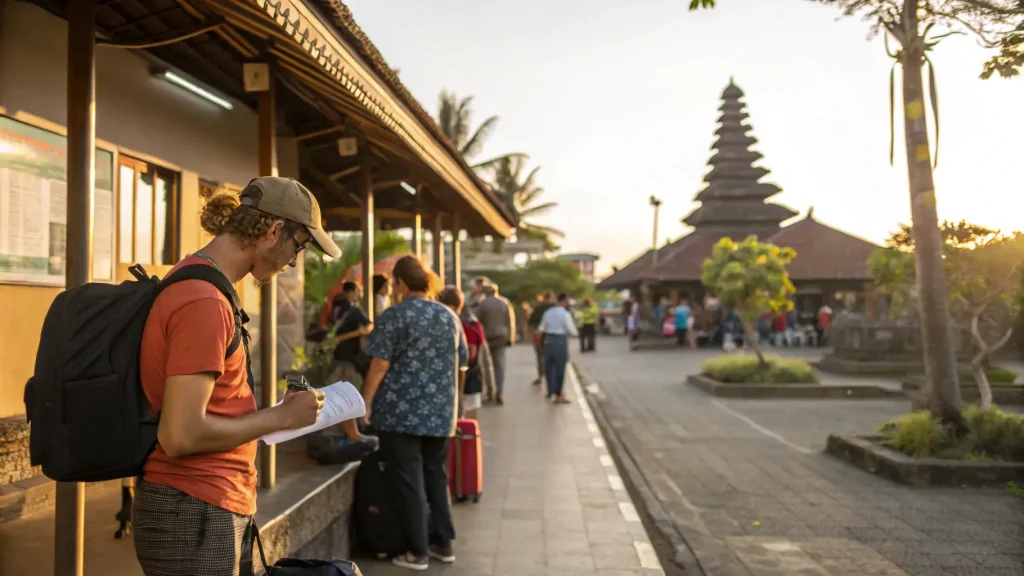
The air in Ubud carries the scent of frangipani and burning incense, a constant, gentle reminder of Bali’s spiritual rhythm. Here, the hum of gamelan music often replaces urban clamour, setting a unique backdrop for daily life.
Is Ubud a good place to live for UK expats?
Ubud presents a compelling proposition for UK expats seeking a lifestyle centred on culture, personal growth, and a strong sense of community. For those moving to Bali from UK shores, Ubud offers a distinct alternative to the island’s more developed southern beaches. The town is situated approximately 35 kilometres northeast of Ngurah Rai International Airport (DPS), typically a 60-90 minute drive depending on traffic. Expats find a welcoming environment with numerous co-working spaces supporting the digital nomad life in Ubud, such as Hubud or Outpost, where daily passes start from 150,000 IDR (approx. 10 USD). Visa requirements for long-term stays include various options beyond the initial 30-day e-VOA (electronic Visa on Arrival), necessitating engagement with Indonesian immigration for a Social-Cultural Visa (B211A) or a KITAS (Temporary Stay Permit), which can be sponsored by a company or for retirement purposes. The process can take 2-4 months and involves specific documentation.
Relocating personal effects from the UK requires planning; sea freight can take 6-8 weeks, costing upwards of 1,000 GBP for a cubic metre, while air freight is faster at 5-7 days but significantly more expensive, around 5-10 GBP per kilogram. For pet owners, Bali customs requires a rabies titre test performed within 12 months prior to entry, strict quarantine protocols upon arrival, and an import permit obtained in advance. The expat community here is diverse, comprising artists, entrepreneurs, yogis, and families, fostering a supportive network. Cultural integration is encouraged; attending a Balinese cooking class (average 450,000 IDR / 30 USD) or learning basic Bahasa Indonesia can greatly enhance the experience. Ubud’s appeal for UK expats lies in its ability to offer a profound connection to Balinese traditions while providing modern comforts and a vibrant international scene.
How much does it cost to live in Ubud long term?
The ubud cost of living for british expats varies significantly based on lifestyle choices, but it remains considerably more affordable than major UK cities. Renting a house in Ubud is often the largest expense. A comfortable one-bedroom villa with a private pool, located slightly outside the central area, can range from 8,000,000 IDR to 15,000,000 IDR (approximately 500-1,000 USD) per month for a 6-12 month lease. More basic apartments or rooms in guesthouses start from 3,500,000 IDR (230 USD) monthly. Utilities, including electricity, water, and internet (fibre optic speeds of 50-100 Mbps are common, costing around 300,000-500,000 IDR / 20-35 USD per month), typically add another 1,000,000 IDR (65 USD).
Food expenses are flexible. Eating at local warungs (small eateries) costs 25,000-50,000 IDR (1.50-3.50 USD) per meal, while expat-oriented cafes and restaurants charge 80,000-150,000 IDR (5-10 USD) per dish. A weekly grocery shop for fresh produce from local markets might be 300,000-500,000 IDR (20-35 USD). Transport is primarily by scooter, with monthly rentals averaging 800,000-1,200,000 IDR (50-80 USD). Ride-hailing apps like Gojek or Grab are available for cars and scooters, with short rides within Ubud costing 20,000-50,000 IDR (1.50-3.50 USD). A monthly budget for a single expat living comfortably, inclusive of rent, food, transport, and some leisure activities, could range from 15,000,000 IDR to 25,000,000 IDR (1,000-1,650 USD). This is significantly less than the average cost of living in London, which can easily exceed 3,000 GBP (3,800 USD) per month for a similar lifestyle. For more details on budgeting, consult our comprehensive guide on Bali living expenses.
Is Ubud good for families with kids?
Ubud is increasingly recognised as a suitable location for families with kids, offering a blend of cultural experiences, outdoor activities, and a supportive community. For families from UK, the town provides a safer, more relaxed environment compared to bustling urban centres. Educational options are a key consideration; international schools like Green School (located near Sibang Kaja, about 20 km from central Ubud) and Pelangi School offer curricula based on international standards, with annual tuition fees ranging from 8,000 USD to 25,000 USD, varying by age group. There are also numerous local and hybrid schools providing diverse learning approaches.
Family-friendly activities are abundant. Children can engage in traditional Balinese dance or gamelan lessons, explore rice paddy fields on bicycle tours (many routes are flat and safe for younger riders), or visit animal sanctuaries like the Sacred Monkey Forest Sanctuary, a 12.5-hectare natural habitat for over 1000 macaques. Creative workshops, from batik painting to pottery, are available for all ages, with prices typically 250,000-400,000 IDR (17-27 USD) per session. Many villas and guesthouses are equipped with family amenities, including pools and gardens. The expat parent community is active, organising playdates, school events, and support groups. Healthcare facilities include numerous clinics and the larger BIMC Hospital in Denpasar (approximately 40 km, 60 minutes drive), ensuring access to medical care. While Ubud lacks beaches, its focus on nature, culture, and community makes it a compelling choice for families prioritising a holistic upbringing.

Best Areas to Live in Ubud and Renting a House
Choosing the best areas to live in Ubud depends on individual preferences for quietude, accessibility, and community vibe. Central Ubud offers the most immediate access to restaurants, shops, and cultural sites, but it can be more congested. Popular spots like Monkey Forest Road and Hanoman Street are within walking distance of amenities. Just west of the centre, Penestanan is a favoured expat enclave known for its artistic community, wellness cafes, and tranquil lanes, often with rice paddy views. Here, a 2-bedroom villa might rent for 12,000,000-20,000,000 IDR (800-1,300 USD) per month.
South of the centre, Nyuh Kuning village provides a peaceful, family-oriented atmosphere, with wide, quiet streets and close proximity to the Monkey Forest. Sayan, perched on the western ridge overlooking the Ayung River valley, offers some of Ubud’s most luxurious villas with breathtaking vistas, albeit at higher price points, typically upwards of 25,000,000 IDR (1,650 USD) monthly. Further out, villages like Lodtunduh or Junjungan offer more authentic village life and lower rental costs, requiring a scooter for daily commutes. When renting a house in Ubud, most landlords prefer 6-month to annual contracts. It is advisable to inspect properties thoroughly, confirm internet and water supply quality, and understand included services (garden, pool maintenance) before signing. Many expats use local agents or online platforms to find suitable long-term rentals. For initial stays, consider booking a short-term rental for 1-2 weeks to explore different neighbourhoods.
What are the pros and cons of living in Ubud vs Canggu?
The choice between Ubud vs Canggu for expats hinges on distinct lifestyle preferences. Ubud, located inland amidst rice paddies and ravines, offers a slower pace, rich cultural immersion, and a strong focus on yoga and wellness in Ubud. Its pros include a profound connection to Balinese tradition, a vibrant arts scene (museums like Neka Art Museum are within 3 km of the centre), and a more serene environment. The air quality is generally better, and the overall noise level is significantly lower than coastal areas. Cons include the lack of direct beach access (the nearest beach, Sanur, is 25 km away), fewer nightlife options, and potentially slower adoption of Western conveniences compared to Canggu.
Canggu, conversely, is a coastal town approximately 30 km southwest of Ubud, known for its surf breaks (Echo Beach, Batu Bolong), trendy cafes, and lively social scene. Its pros include proximity to the ocean, a more contemporary expat community, abundant dining and entertainment venues, and a dynamic entrepreneurial spirit ideal for some digital nomad life in Ubud expats seeking a faster pace. Cons for Canggu include significant traffic congestion, a more developed and less traditional Balinese atmosphere, higher levels of noise pollution, and a higher cost of living for certain amenities, especially trendy cafes and beach clubs. For instance, a basic yoga class in Ubud might cost 120,000 IDR (8 USD), while in Canggu, it could be 150,000-200,000 IDR (10-13 USD). Ultimately, Ubud appeals to those seeking tranquility, cultural depth, and a holistic lifestyle, while Canggu attracts those prioritizing surf, social activity, and modern comforts.
Yoga and Wellness in Ubud
Ubud’s reputation as a global epicentre for yoga and wellness is well-earned, attracting practitioners and teachers from across the world. The town is home to an impressive array of studios, retreat centres, and alternative healing practitioners. The Yoga Barn, perhaps the most renowned, offers over 100 classes per week across various styles, including Vinyasa, Hatha, Yin, and Restorative, with drop-in classes priced around 130,000 IDR (9 USD). Other prominent studios like Radiantly Alive and intuitive Flow also provide extensive schedules and workshops. Many studios offer multi-class passes or monthly memberships, providing better value for long-term residents.
Beyond physical practice, Ubud embraces a holistic approach to well-being. Meditation centres, sound healing sessions (often incorporating gongs and singing bowls), and traditional Balinese healing therapies are widely available. Balinese massage, costing approximately 150,000-300,000 IDR (10-20 USD) for a 60-minute session, is a common practice. The town also features numerous organic cafes and restaurants catering to specific dietary needs, from vegan to raw food, supporting a health-conscious lifestyle. Regular wellness retreats, ranging from 3-day detox programs to week-long spiritual journeys, are a common feature, often including accommodation, meals, and daily activities. This pervasive wellness culture significantly contributes to the appeal of living in Ubud as expat, offering ample opportunities for personal growth and physical rejuvenation amidst a serene natural environment. More information on Balinese culture can be found at Indonesia.travel. For visa information, visit Imigrasi.go.id.
Considering a move to Bali and envisioning your life amidst Ubud’s rice paddies and spiritual rhythm? Our team specialises in guiding UK movers through every step of the relocation process, from visa assistance to finding your ideal home. Contact us today to discuss your journey to Bali.