What are the visa requirements for UK citizens moving to Bali?
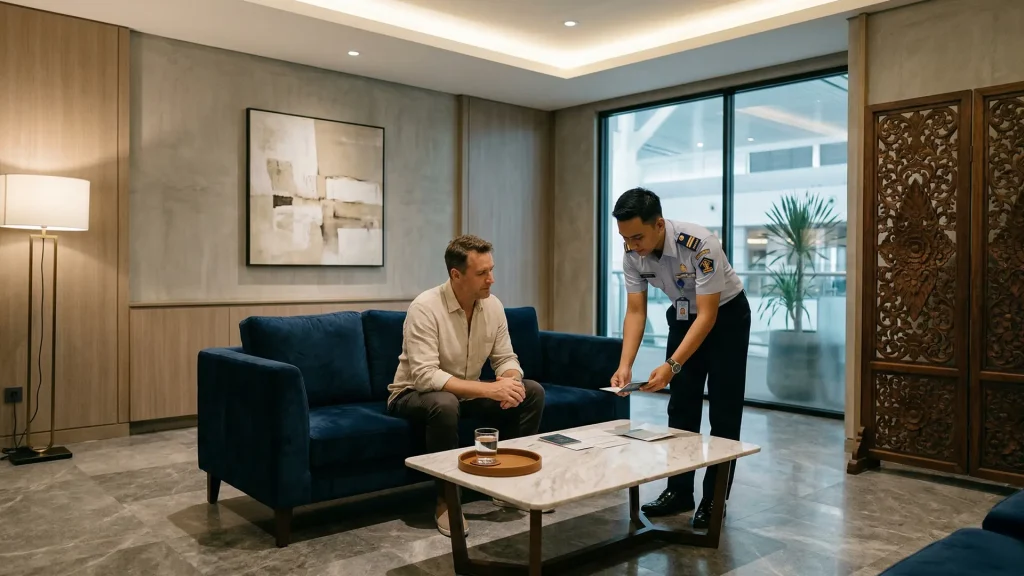
For UK citizens contemplating a move to Bali, understanding Indonesian visa regulations is paramount, as a standard tourist visa is insufficient for long-term residency. While the e-VOA (electronic Visa on Arrival) allows a 30-day stay, extendable once for a maximum of 60 days, it explicitly prohibits employment or permanent residency. To live and potentially work in Bali, British citizens must secure a non-tourist visa. The most common entry point for those seeking extended stays is the Social-Cultural Visa, known as B211A. This visa permits stays of up to 60 days, extendable twice for 60 days each, totaling 180 days (approximately six months). A local sponsor, often a visa agent, is required for this application, confirming your intent for social, cultural, or family visits rather than tourism. The processing time for a B211A can range from 10 to 14 business days.
For those planning to reside and work, a KITAS (Kartu Izin Tinggal Terbatas), or Temporary Stay Permit, is the definitive requirement. A KITAS is typically valid for one to two years and is renewable. There are various types of KITAS, including those for employment (often sponsored by an Indonesian company), investors (for those establishing businesses), retirement (for individuals over 55), and family reunification (for those married to Indonesian citizens). Securing an employment KITAS involves a complex process that includes an RPTKA (Expatriate Placement Plan) and IMTA (Work Permit), typically managed by the sponsoring company. The cost for a B211A visa processed through an agent can range from $250 to $500 (IDR 3.9M-7.8M), excluding the official Indonesian Immigration fees. A KITAS application, including associated work permits and agent fees, can easily exceed $1,000 to $2,000 (IDR 15.6M-31.2M) annually. It is crucial to engage with reputable visa agents and consult the official Indonesian Immigration website for the most current regulations. For detailed information on specific visa pathways, explore our comprehensive Bali Visa Guide.
How much money do I need saved to move to Bali?
A substantial financial reserve is crucial for a smooth transition when moving to Bali from the UK, encompassing initial setup costs and ongoing living expenses. Initial expenditures include international flights, which can range from $800 to $1,500 (IDR 12.5M-23.4M) per person for an economy return from London to Ngurah Rai (DPS), depending on the season. Visa processing fees, as discussed, are another significant upfront cost. Shipping personal belongings from the UK to Bali can vary widely: sea freight for a single cubic meter might cost $300-$700 (IDR 4.7M-10.9M) and take 6-8 weeks, while air freight is considerably faster but more expensive, potentially $1,000-$2,000 (IDR 15.6M-31.2M) for a similar volume.
Accommodation deposits are typically required, often for 3-6 months upfront, particularly for villa rentals. A modest 2-bedroom villa in Ubud might rent for $800-$1,500 (IDR 12.5M-23.4M) per month, while a similar property in Canggu or Seminyak could range from $1,500-$3,000 (IDR 23.4M-46.8M). Therefore, an initial accommodation payment could be $2,400-$18,000 (IDR 37.4M-280.8M). Factoring in initial furnishing or appliance purchases, a conservative estimate for initial setup costs for a single person or couple, excluding work-related setup, could be $5,000-$15,000 (IDR 78M-234M). Monthly living expenses in Bali are highly variable based on lifestyle. A comfortable but not extravagant lifestyle for a couple might require $1,500-$3,000 (IDR 23.4M-46.8M) per month. This budget typically covers rent, utilities (electricity, water, internet), groceries (local produce is cheaper; imported goods are costly), transport (scooter rental is around $50-$100 (IDR 780K-1.5M) per month), and dining out at local warungs and occasional expat restaurants. For a more luxurious lifestyle, including frequent dining, private drivers, and international schooling, monthly costs can easily exceed $5,000 (IDR 78M).
Is it safe to live in Bali as a British expat?
Bali generally offers a safe and welcoming environment for British expats, though it is crucial to maintain awareness of local nuances and common issues. Petty crime, such as bag snatching by opportunistic individuals on scooters, particularly in busy tourist areas like Canggu, Seminyak, and Kuta, is the most frequently reported concern. Expats are advised to secure valuables, avoid carrying excessive cash, and be cautious with phones in public. Road safety presents another significant consideration; scooter accidents are common due to congested traffic, varying road conditions, and less stringent driving standards than in the UK. Many expats choose to rent scooters, but it is imperative to wear a helmet, possess an international driving permit, and have appropriate insurance.
Natural hazards include occasional earthquakes and volcanic activity (Mount Agung last erupted significantly in 2017), though major incidents directly impacting expat residential areas are rare. Bali’s proximity to the equator means consistent tropical weather, with distinct wet (October-April) and dry (May-September) seasons. Respect for local customs and religious practices, particularly during Balinese ceremonies, is essential for harmonious living. The Balinese are predominantly Hindu, and their culture is deeply spiritual and tolerant. While the local language is Bahasa Indonesia, English is widely spoken in tourist and expat hubs. For consular assistance, the British Embassy in Jakarta provides services for UK citizens in Indonesia. Overall, with sensible precautions and respect for the local environment, Bali remains a secure and desirable location for British expats. The UK Foreign, Commonwealth & Development Office (FCDO) provides up-to-date travel advice for Indonesia, including safety and security information.
Can a UK citizen buy property in Bali?
Direct freehold ownership of land by foreign individuals, including UK citizens, is not permitted under Indonesian law. However, several legal pathways exist for foreigners to control and utilize property in Bali for extended periods, making property acquisition a viable option for long-term residents. The most common method for individual expats is a Leasehold (Hak Sewa) agreement. Under this structure, a foreigner leases land or a villa from an Indonesian landowner for a specified period, typically 25 to 30 years, with options for extensions. These extensions are often pre-negotiated within the initial contract, providing security for up to 50-100 years in total. Leasehold agreements are relatively straightforward and widely used, offering a secure tenure without the complexities of corporate ownership. For example, acquiring a 25-year leasehold on a modern 2-bedroom villa in a popular area like Seminyak could cost between $150,000 and $300,000 (IDR 2.3B-4.7B), depending on size, location, and amenities.
Another option for individuals is Hak Pakai (Right to Use). This title allows a foreigner to use land for a maximum of 30 years, extendable for another 20 years, and then a further 30 years, totaling 80 years. Hak Pakai is a stronger title than leasehold but is generally reserved for those with a KITAS or KITAP. For business-related property acquisition, foreign investors can establish a PT PMA (Penanaman Modal Asing), a foreign-owned company. A PT PMA can hold Hak Guna Bangunan (Right to Build) or Hak Guna Usaha (Right to Cultivate) titles, which allow for construction and commercial operations respectively, both valid for 30 years and extendable. Engaging a reputable, independent Indonesian lawyer specializing in property law is absolutely essential to navigate these legal structures, conduct due diligence, and ensure the contract terms are robust and legally sound. Avoid any arrangements based on nominee agreements where an Indonesian citizen holds the title on your behalf, as these carry significant legal risks. For more in-depth guidance on property acquisition, refer to our Bali Property Ownership Guide.
Do UK citizens need vaccines to move to Bali?
While no specific vaccines are legally mandatory for UK citizens entering Indonesia, including Bali, several vaccinations are strongly recommended to protect against prevalent diseases and ensure health during a long-term stay. The UK NHS Fit for Travel and the World Health Organization (WHO) typically advise a range of immunizations for travelers to Southeast Asia. These generally include Hepatitis A and B, which protect against liver infections, and Typhoid, which guards against a bacterial infection common in contaminated food and water. Routine vaccinations such as Tetanus, Diphtheria, and Polio should also be up to date.
Rabies vaccination is highly recommended, especially for expats who anticipate prolonged stays, potential exposure to animals (monkeys are common in certain areas like Ubud Monkey Forest, and stray dogs are present), or those living in more rural settings. The vaccination typically involves a course of three doses. While there is currently no vaccine for Dengue Fever, a mosquito-borne illness prevalent in Bali, preventative measures like using insect repellent, wearing long sleeves at dawn and dusk, and ensuring accommodation has mosquito netting are crucial. For COVID-19 entry rules, Bali has largely removed specific vaccine or testing requirements for international arrivals. However, these regulations can change rapidly. It is always prudent to check the official Indonesia Travel website or consult the British Embassy for the most current health and entry protocols before travel. Expats should also consider comprehensive travel and health insurance that covers medical evacuation and local treatment, as healthcare costs can be substantial. Local private hospitals like Siloam Hospitals or BIMC offer international standard care, but smaller clinics may have limited facilities.
What about family life and British expat communities in Bali?
Bali offers a vibrant and supportive environment for British expat families, fostering a sense of community that eases the transition from the UK. The island is home to numerous international schools that cater to expat children, providing high-quality education with diverse curricula. Notable institutions include Green School Bali, known for its eco-friendly campus and holistic approach; Bali Island School (BIS), which offers the International Baccalaureate (IB) program; and Canggu Community School (CCS), providing a British-based curriculum. Annual tuition fees for these international schools can range from $10,000 to $25,000 (IDR 156M-390M) per child, a significant consideration for family budgets.
British expat communities are well-established across various regions, with strong concentrations in Canggu, Seminyak, Sanur, and Ubud. These areas feature social groups, sports clubs (e.g., rugby, football, golf), and community events that facilitate networking and friendship. Online platforms, particularly Facebook groups such as “Bali Expats” or “British Expats in Bali,” serve as invaluable resources for advice, recommendations, and social connections. Family-friendly activities are abundant, from surfing lessons on Echo Beach to exploring the rice paddies around Ubud, visiting water parks, or enjoying the island’s many child-friendly cafes and restaurants. Healthcare for children is accessible through international clinics and pediatricians who often speak English. Integrating into local culture, including learning basic Bahasa Indonesia, enhances the family experience and fosters deeper connections with the Balinese way of life. While the cultural shift is significant, the welcoming nature of the Balinese people and the robust expat infrastructure make Bali a compelling choice for British families seeking a new chapter.
Planning your move to Bali requires meticulous attention to detail across visas, finances, safety, and family logistics. For personalized advice and comprehensive assistance tailored to your specific needs, contact our expert team at Komodo Travel. We are here to guide your definitive move. Visit our contact page to begin your journey.